
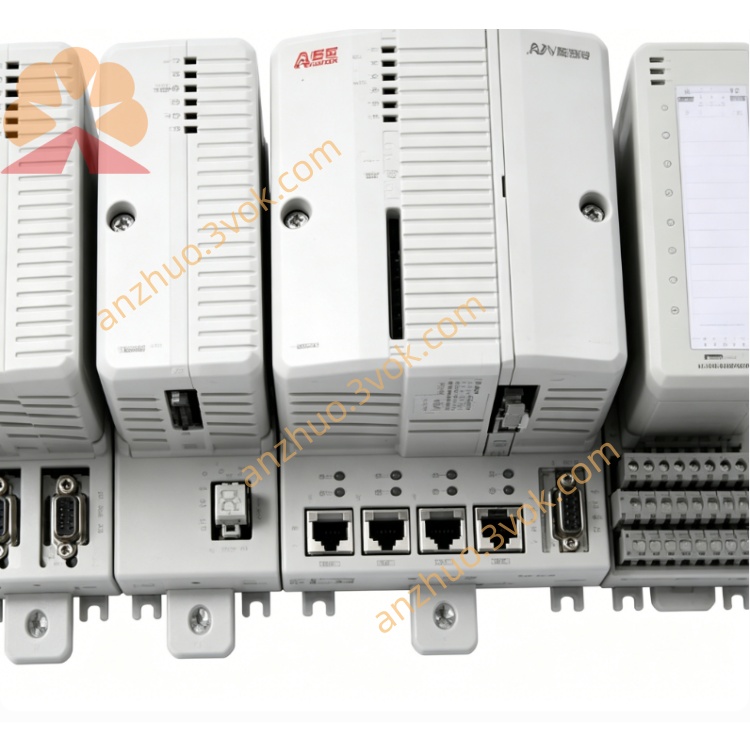
ABB PFSK160 VME bus based signal conditioning and communication interface card
ABB PFSK160 is a VME bus based signal conditioning and communication interface card designed for industrial distributed control systems. It integrates digital input and output processing together with Profibus-DP communication functions. The module provides electrical isolation, signal conversion and stable data transmission between field devices and main control units, and maintains reliable performance under complex industrial electromagnetic environments.
Description
Product Introduction
ABB PFSK160 is a VME bus based signal conditioning and communication interface card designed for industrial distributed control systems. It integrates digital input and output processing together with Profibus-DP communication functions. The module provides electrical isolation, signal conversion and stable data transmission between field devices and main control units, and maintains reliable performance under complex industrial electromagnetic environments.
Model Interpretation
PFSK stands for process field signal card. The number 160 refers to the specific hardware specification and version of this series card. It has a standard part number for ordering and inventory management in official business.
Technical Parameters
This module adopts VME P2 I/O bus connection. It operates with 24 V DC power supply and allows normal work within a certain voltage deviation range. It is equipped with sixteen digital input and output channels. The input supports both dry and wet contact signals. The output load capacity per channel is 0.5 A under 24 V DC. The isolation voltage reaches 2500 V AC for one minute withstand test. The operating temperature ranges from minus 20 degrees Celsius to 60 degrees Celsius. The protection class is IP20. The whole module is compact in structure and meets relevant industrial safety standards.
Interface and Communication Configuration
It is equipped with dedicated VME bus connector for data and power connection with the main rack. A standard DB9 interface is used for Profibus-DP communication. Multiple screw terminals are arranged for wiring of digital input and output signals. Several LED indicators are fitted to display the status of power supply, operation, communication and faults. It supports parameter configuration and equipment diagnosis through standard configuration files.
Core Functions
It realizes filtering, isolation and level conversion of on-site digital signals. It works as a Profibus-DP slave station to complete real-time data exchange with the main station. It collects switch status from field sensors and sends control signals to actuators. It has built-in self-diagnosis ability to detect abnormal conditions of channels and communication links. With surge suppression and electromagnetic shielding design, it can effectively resist external interference.
Application Scenarios
It is mainly applied to ABB Advant series DCS and PLC control systems. It is widely used in power, metallurgy, papermaking, water treatment and other process industries. It serves as signal interface and communication component in remote I/O stations and motor control centers. It is also suitable for networking and signal control of automated production lines that adopt Profibus-DP protocol.
Operation and Maintenance Instructions
Install the card in a dry and well ventilated control cabinet, and keep away from heat sources and strong electromagnetic interference. Use standard copper wires for wiring and fasten all terminals firmly. Check the working status through LED indicators regularly. Cut off the power supply and take anti-static measures before plugging or unplugging the module. Inspect connectors and cables periodically to prevent loose connection and aging damage. Keep the module surface clean and dry. This device requires no on-site calibration, and replace it directly when permanent faults occur.
Get a Quote