
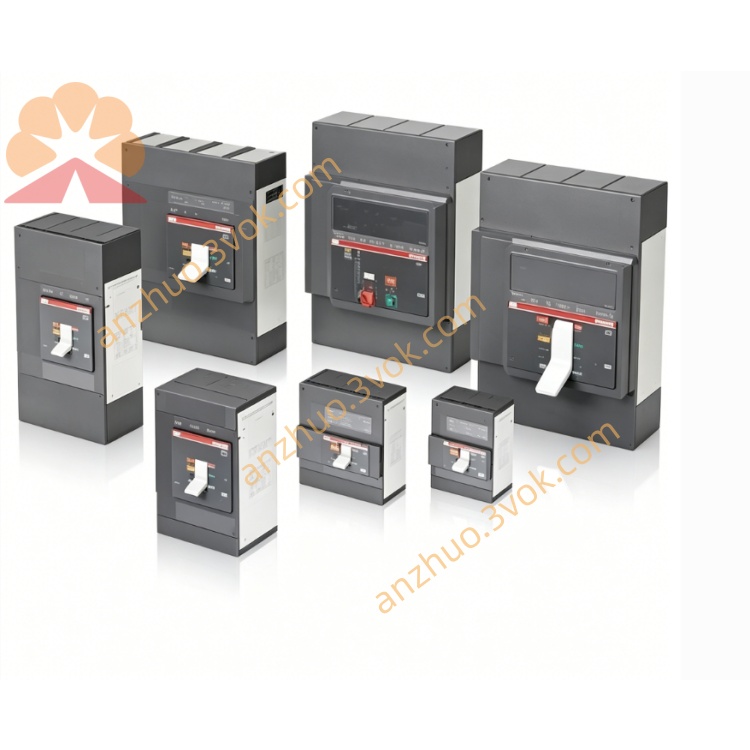
ABB 216NG63A 24 V DC redundant power supply module
ABB 216NG63A is a 24 V DC redundant power supply module applied for ABB AC 800M and Symphony Plus DCS systems. It delivers stable power supply for controllers and I/O stations. This module supports N+1 redundant operation and hot swap function, which guarantees continuous power supply and high system reliability for critical industrial control applications.
Description
Product Introduction
ABB 216NG63A is a 24 V DC redundant power supply module applied for ABB AC 800M and Symphony Plus DCS systems. It delivers stable power supply for controllers and I/O stations. This module supports N+1 redundant operation and hot swap function, which guarantees continuous power supply and high system reliability for critical industrial control applications.
Model Interpretation
216NG63A is the main model number of this power supply unit. Its corresponding part code is HESG441635R1. This product belongs to the dedicated power series for Symphony Plus and AC800M control systems, mainly used to provide 24 V DC power for main controllers and remote I/O modules.
Technical Parameters
The input voltage ranges from 85 V AC to 264 V AC with frequency of 47 Hz to 63 Hz, and it supports automatic voltage adaptation. The rated output is 24 V DC with a tolerance of plus or minus 2 percent. The continuous output current is 10 amperes and the peak current reaches 12 amperes, with total output power of 240 watts. The typical conversion efficiency under full load is 92 percent. The isolation strength between input and output is 3000 V AC. The output ripple voltage is less than 100 millivolts peak to peak. It is equipped with multiple protection functions including over voltage protection, over current protection, short circuit protection, over temperature protection and reverse polarity protection. The module supports N+1 parallel redundant operation with automatic current sharing and seamless switching. Hot swap is available for on-site replacement without system outage. The operating temperature ranges from minus 25 degree Celsius to 70 degree Celsius, and the storage temperature ranges from minus 40 degree Celsius to 85 degree Celsius. The protection class is IP20. It adopts rack mounting mode and weighs approximately 1.5 kilograms.
Interface and Communication Configuration
Screw terminals are configured for AC power input, 24 V DC power output and alarm signal connection. A dedicated redundancy bus is built for data interaction between parallel modules to realize current sharing and fault linkage. The module matches the supporting backplane for installation and signal transmission. LED indicators are used to display operating status, green light for normal operation and red light for fault or overload.
Core Functions
It realizes high efficiency AC to DC conversion and provides regulated 24 V DC power for industrial controllers and I/O equipment. Redundant parallel operation eliminates single point of failure, and faulty modules can be replaced online without interrupting system operation. Comprehensive protection mechanisms effectively prevent damage caused by abnormal voltage, current and temperature. Real-time status indication and alarm contacts facilitate on-site inspection and remote monitoring, helping staff locate faults quickly.
Application Scenarios
It is widely used in control rooms equipped with ABB Symphony Plus and AC 800M DCS systems to supply power for main controllers. It also serves various remote I/O stations and related 24 V DC I/O modules. It is the preferred power unit for high availability requirements in power, oil and gas, chemical, papermaking, water treatment and other critical process industries.
Operation and Maintenance Instructions
Install the module horizontally inside a ventilated cabinet and reserve enough space for natural heat dissipation. Use qualified copper cables for wiring and fasten all terminals firmly. Confirm that the input voltage matches the specification and check the polarity of DC output. When configuring redundant groups, connect modules via the redundancy bus and verify the normal current sharing and switching function. Check LED status, terminal tightness and cabinet temperature regularly during operation, and remove surface dust with dry cloth. For faulty modules, perform hot swap replacement directly while the system is running, and confirm the new module works normally after installation.
Get a Quote