
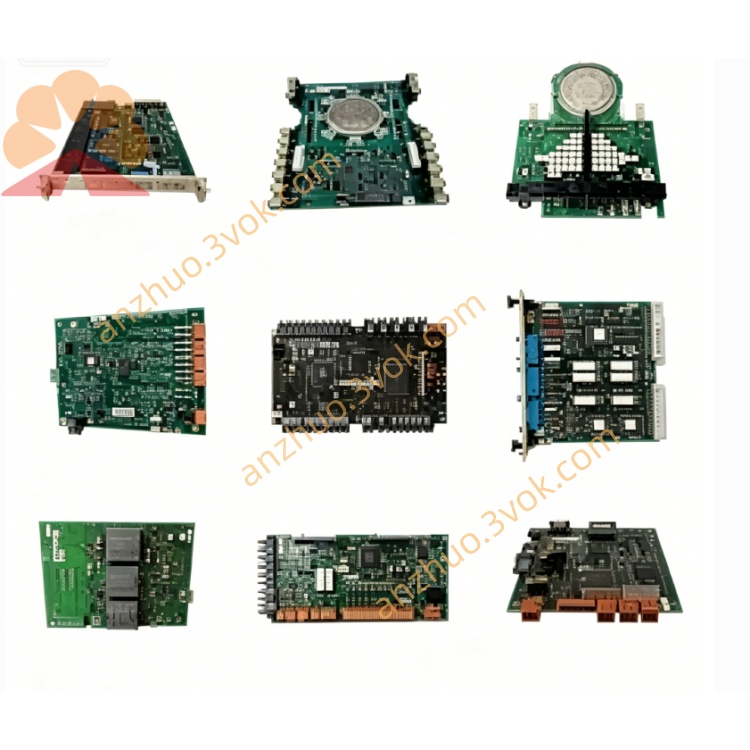
ABB 1SAP250300R0001 high‑density analog input module
Description
Product Introduction
Model Interpretation
1SAP: ABB PLC I/O series identifier for S500 I/O products.
2503: Denotes module type and configuration, corresponding to a 16‑channel analog input module (16AI).
0001: Indicates standard product version and revision.
AI523: Commercial model; “AI” = analog input, “5” = AC500 system compatibility, “23” = 16‑channel high‑density configuration.
Technical Parameters
Input Channels: 16 analog inputs, software‑configurable per channel; grouped as two banks of 8 channelsABB.
Signal Types: Voltage (0–10V, ±10V); current (0–20mA, 4–20mA); RTD (Pt100, Pt1000, Ni1000); also usable as digital inputs.
Resolution: 12 bits including sign bitABB.
Accuracy: ±0.5% full scale typical at 25°C; ±1% maximum across 0–60°C.
Isolation: Module‑wide galvanic isolation between field side and I/O bus; withstands 1500V AC.
Input Impedance: Voltage >100kΩ; current ≈330Ω.
Filter Time Constant: 100μs for voltage/current inputs.
Conversion Cycle: 2ms for 16 voltage/current channels; 1s for RTD channels.
Power Supply: 24V DC ±10%, consumption ≤80mA.
Operating Temperature: 0°C to +55°C.
Storage Temperature: -40°C to +70°C.
Relative Humidity: 5%–95% non‑condensing.
Protection Class: IP20.
Dimensions: 62mm (D) × 67.5mm (W) × 76mm (H).
Weight: 0.125kg.
Mounting: Standard 35mm DIN rail.
Interface and Communication Configuration
Field Interface: Screw terminals supporting 2/3‑wire connection; clear channel labeling for easy wiringABB.
System Bus: Connects to AC500 backplane bus for high‑speed data exchange with the controller; no extra communication module needed for basic I/OABB.
Protocols: PROFIBUS DP, CANopen, Modbus RTU via PLC communication ports for multi‑protocol network integration.
Indicators: 16 yellow LEDs for channel status; 1 green LED for 24V power (UP); 2 red LEDs for module/channel errorsABB.
Core Functions
High‑Density Multi‑Signal Acquisition: 16 channels collect voltage, current, and RTD signals from sensors (pressure, flow, temperature, level).
Flexible Channel Configuration: Independently set signal type, range, and filtering per channel via software to match diverse field devices.
Precision Signal Conversion: Converts analog field signals to digital values for PLC processing, ensuring accurate process monitoring.
Galvanic Isolation: Isolates field circuits from the PLC backplane to suppress electromagnetic interference and enhance system safety.
Digital Input Mode: Channels can be configured as digital inputs (0–30V) for discrete signal acquisition.
Comprehensive Diagnostics: Detects open circuits, short circuits, and overrange/underrange conditions; faults reported to PLC for fast troubleshooting.
Application Scenarios
Process Industries: Chemical, petrochemical, pharmaceutical, water treatment—monitoring pressure, flow, temperature, and level sensors.
Manufacturing: Automotive assembly lines, packaging machinery, machine tools—collecting sensor data for quality control and process optimization.
Energy: Power plants, renewable energy facilities—monitoring generator, turbine, and auxiliary equipment parameters.
Building Automation: HVAC systems—collecting temperature, humidity, and pressure data for climate control.
Food & Beverage: Production lines—monitoring temperature, pressure, and flow across multiple processes.
Operation and Maintenance Instructions
Installation: Mount on 35mm DIN rail in a ventilated, dust‑free cabinet. Maintain 20mm clearance for cooling; avoid direct sunlight, high humidity, and corrosive gases.
Wiring: Use shielded cables for analog signals; separate from power cables to reduce interference. Follow terminal labels for 2/3‑wire connection; torque screws to 0.5–0.6Nm.
Configuration: Use ABB CoDeSys software to set channel parameters (type, range, filtering). Download configuration and verify via channel LEDs.
Routine Maintenance: Check wiring tightness and terminal cleanliness periodically. Clean the module with a dry cloth; avoid liquid cleaners.
Troubleshooting:
PWR off: Check 24V DC supply and wiring.
RUN flashing: Configuration error; re‑download.
Channel alarm: Check for open/short circuits or overrange; verify sensors and wiring.
Replacement: Power off before replacement. Disconnect wiring, release DIN rail lock, remove old module. Install new module, reconnect wiring, and reconfigure.
Storage: Keep in original packaging in a dry, cool environment (-40°C to +70°C); avoid vibration and impact during transport.
Get a Quote