
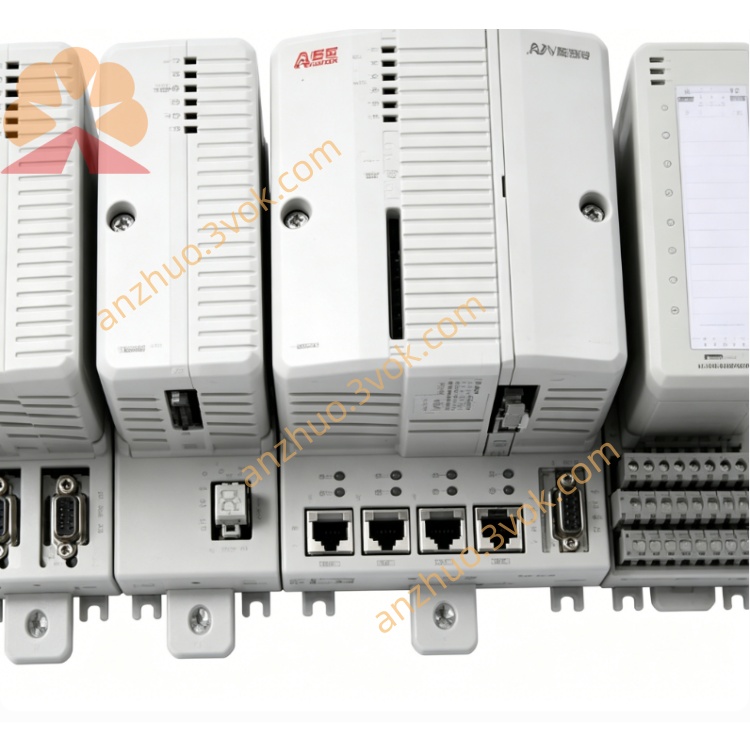
ABB 1SAP245000R0001 (DX531) mixed digital input/output module
Description
Product Introduction
Model Explanation
1SAP245000R0001: ABB unique part number.
DX531:
DX = Digital mixed I/O
531 = S500 series mixed I/O module identifier.
245000: Platform code for S500 8DI/4DO relay AC I/O product.
R0001: Initial hardware revision.
Core definition: 8×115–230 VAC DI / 4×230 VAC 3A relay DO.
Technical Parameters
Digital Inputs: 8 channels, 115–230 VAC, 50/60 Hz, 10 mA typical.
Digital Outputs: 4 relay channels, 230 VAC / 3 A (resistive load), NO/NC contacts.
Supply Voltage: 24 VDC (20.4–28.8 VDC) for module logic.
Galvanic Isolation: Between channels and backplane; input/output isolated.
Protection Class: IP20.
Operating Temperature: 0 °C to +60 °C (horizontal).
Storage Temperature: −40 °C to +70 °C.
Humidity: 0–95 % non‑condensing.
Dimensions (W×H×D): 67.5 mm × 76 mm × 62 mm.
Weight: Approximately 0.15 kg.
Mounting: Standard TH35‑15 DIN rail.
Certifications: CE, UL, CSA, RoHS, Class I Div 2 (ATEX).
Compatibility: AC500 V2/V3/eCo/S series; S500 I/O system (C0+ index); requires TU515/TU516 terminal base.
Interface and Communication Configuration
Backplane Interface: S500 I/O bus, plug‑and‑play, hot‑swap enabled.
Field Wiring: Screw terminals on TU515/TU516; recommended torque 0.6 Nm.
Expansion: Up to 7 additional S500 modules via backplane.
Hot Swap: Online replacement without system shutdown.
Status LEDs: Power, run, fault, and per‑channel indicators.
Bus Communication: Exchanges I/O data with AC500 PLC over S500 backplane.
Core Functions
AC Input/Output Mix: Directly connects 115–230 VAC sensors (limit switches, pushbuttons) and 230 VAC actuators (valves, contactors, lamps), eliminating intermediate relays.
Relay Outputs: 3 A rated contacts handle resistive loads; isolated outputs enhance safety.
Electrical Isolation: Protects PLC and low‑voltage circuits from AC line noise and faults.
Hot‑Swap Maintenance: Minimizes downtime in critical processes.
Compact Design: Saves cabinet space with high‑density AC I/O.
Application Scenarios
Factory automation: Conveyors, packaging machines, and assembly lines with AC sensors and 230 VAC actuators.
Process automation: Water treatment, chemical, and pharmaceutical plants using AC‑based monitoring and control.
Building automation: HVAC, lighting, and security systems with 230 VAC devices.
General industrial: Retrofit projects replacing old relay panels; cost‑effective AC I/O solutions.
Usage and Maintenance Instructions
Mount on DIN rail in a ventilated cabinet; avoid dust, moisture, and direct heat.
Install TU515/TU516 terminal base first, then insert and lock DX531.
Connect 24 VDC power (UP/UP3) with correct polarity.
Wire AC inputs (115–230 VAC) and relay outputs (230 VAC) to screw terminals; tighten to 0.6 Nm.
Configure I/O mapping via AC500 programming software.
Check LED indicators regularly for power, run, fault, and channel status.
Perform periodic maintenance: Tighten terminals, clean dust, and inspect for corrosion.
In case of failure, replace the module online (hot swap) and verify wiring.
Get a Quote