
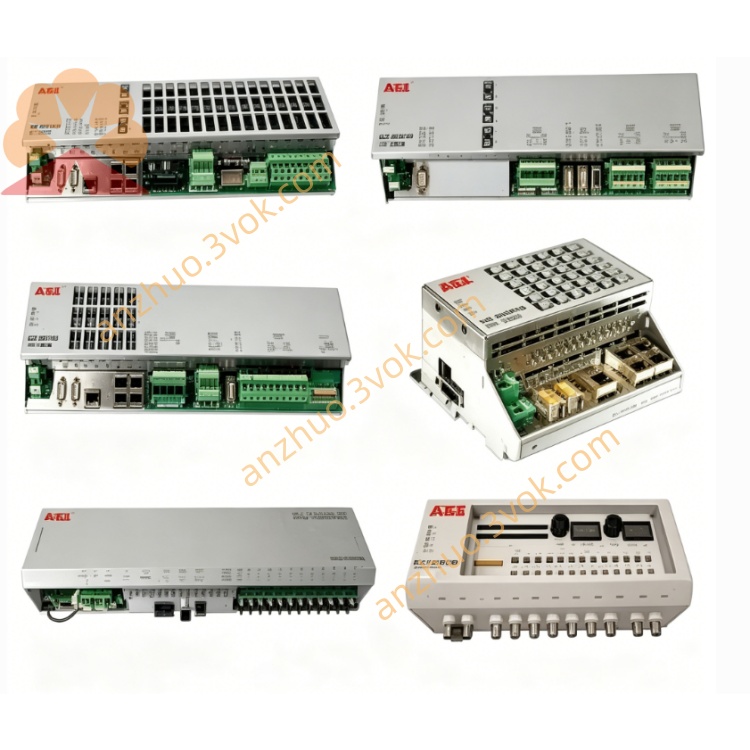
ABB 1SAP221100R0001 (CI590-CS31-HA)high-availability redundant CS31
Description
Product Introduction
Model Explanation
1SAP221100R0001: ABB unique part number.
CI590-CS31-HA:
CI = Communication Interface
590 = S500 CS31 redundant I/O interface identifier
CS31 = CS31 fieldbus protocol support
HA = High Availability (redundant communication)
221100: S500 CS31 redundant I/O platform code
R0001: Initial hardware revision
Core identifier: 16 configurable DI/DO, dual CS31 slave, media redundancy, high availability.
Technical Parameters
Configurable DC (DI/DO): 16 channels, 24 VDC, 0.5 A per channel, software-selectable direction (input or output).
Input Characteristics: 24 VDC, 5 mA input current, configurable filter delay (0.1 ms to 32 ms), sink/source compatible.
Output Characteristics: 24 VDC, 0.5 A per channel, transistor output, short-circuit and overload protected, voltage range 20.4 VDC to 28.8 VDC.
Bus Interface: Dual CS31 slave ports (media redundant), supporting high-availability communication.
Power Supply: 24 VDC (UP/UP3), current consumption 0.15 A (UP) + 0.06 A (UP3).
Protection: IP20; reverse polarity, overvoltage, and short-circuit protection.
Operating Temperature: 0 °C to +60 °C (horizontal mounting); 0 °C to +40 °C (vertical mounting).
Storage Temperature: −40 °C to +70 °C.
Humidity: 0–95 % non-condensing.
Dimensions (W×H×D): 67.5 mm × 76 mm × 62 mm.
Weight: Approximately 0.12 kg.
Mounting: DIN rail (TH35-15).
Certifications: CE, UL, CSA, RoHS; CS31 conformance certified.
Compatibility: AC500 V2/V3/eCo/S series PLCs; S500 I/O system (C0+ index).
Interface and Communication Configuration
Backplane Interface: S500 I/O bus, plug-and-play, hot-swap capable.
Field Wiring: Screw terminals for I/O and power connections; torque 0.6 Nm.
Fieldbus Communication: Dual CS31 slave ports for media redundancy; automatic switchover in case of single bus failure.
Expansion: Up to 7 S500 I/O modules (C0+ index) connected via backplane.
Hot Swap: Supported for module replacement without system shutdown.
Status LEDs: 27 LEDs for power, run, error, CS31 link/activity, redundancy status, and individual I/O channel status.
Address Setting: 2 rotary switches on front panel for station address configuration.
Core Functions
16-Channel Configurable I/O: 16 software-selectable DI/DO channels adapt to diverse discrete signal requirements, reducing inventory and wiring complexity.
Dual CS31 Redundant Communication: Media redundancy ensures continuous communication even if one CS31 bus fails, enhancing system reliability for critical applications.
High-Availability Operation: Designed for 24/7 operation with hot-swap capability and comprehensive fault diagnostics, minimizing downtime.
Distributed I/O Expansion: Enables remote I/O expansion via CS31 bus; integrates seamlessly with AC500 PLCs for centralized control of distributed devices.
Flexible Signal Processing: Configurable input filters and output protection allow adaptation to noisy industrial environments and various load types.
Application Scenarios
ABB AC500 systems requiring CS31 communication + redundant I/O + high availability for critical processes.
Process automation: Chemical, pharmaceutical, and water treatment plants with continuous operation demands.
Factory automation: Automotive assembly lines, metalworking, and material handling systems needing reliable discrete control.
Building automation: HVAC, lighting, and security systems with redundant communication requirements.
Industrial infrastructure: Power distribution, oil and gas, and mining applications where communication downtime is costly.
Usage and Maintenance Instructions
Mount the module on a DIN rail, ensuring adequate airflow and avoiding exposure to dust or condensation.
Connect 24 VDC power (UP/UP3) with correct polarity; use a separate UP3 supply for emergency DO cutoff functionality.
Insert the module into the S500 backplane and lock it securely in place.
Wire field devices to the screw terminals with a torque of 0.6 Nm.
Configure CS31 communication and I/O parameters via ABB programming software, including station address, I/O mapping, and redundancy settings.
Verify status LEDs: PWR (on), RUN (green), ERR (red indicates fault), and CS31 link/activity status.
Perform periodic maintenance: Tighten terminals, clean dust, and inspect for corrosion.
Troubleshoot faults by checking power supply, CS31 cables/connections, and LED status indicators first; replace the module if faulty.
Get a Quote