
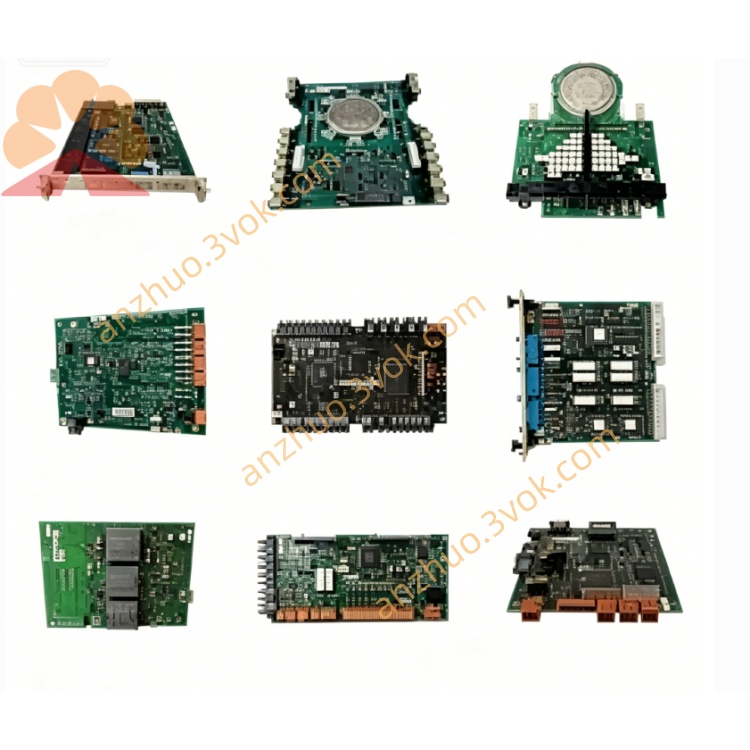
ABB 1SAP170902R0001 (CM579-ETHCAT) EtherCAT master communication module
1SAP170902R0001 corresponds to the CM579-ETHCAT, an EtherCAT master communication module developed for the ABB AC500 PLC series. It enables the AC500 CPU to work as an EtherCAT master and realizes high speed and ultra-real-time Ethernet communication with various EtherCAT slave devices such as distributed I/O units, servo drives, sensors and human-machine interfaces. Adopting compact DIN rail mounting structure, built-in dual-port Ethernet switch and industrial anti-interference design, this module provides excellent deterministic performance. It is well suited for high-performance motion control and distributed automation scenarios that demand strict real-time requirements.
Description
Product Introduction
1SAP170902R0001 corresponds to the CM579-ETHCAT, an EtherCAT master communication module developed for the ABB AC500 PLC series. It enables the AC500 CPU to work as an EtherCAT master and realizes high speed and ultra-real-time Ethernet communication with various EtherCAT slave devices such as distributed I/O units, servo drives, sensors and human-machine interfaces. Adopting compact DIN rail mounting structure, built-in dual-port Ethernet switch and industrial anti-interference design, this module provides excellent deterministic performance. It is well suited for high-performance motion control and distributed automation scenarios that demand strict real-time requirements.
Model Explanation
1SAP170902R0001 is the complete part number of the product. CM579 represents the communication module series. ETHCAT refers to the EtherCAT communication protocol. 170902 stands for the base platform of CM579 series and R0001 means the corresponding hardware revision. This module is specially designed for AC500 PLC system, and it is different from other modules in the same series that support PROFINET, CANopen and PROFIBUS protocols.
Technical Parameters
The module is powered by 24 V DC with a tolerance of plus or minus twenty percent and receives power through the PLC backplane bus. The typical operating current is 85 milliamps. It fully complies with EtherCAT protocol and runs in master mode. The communication rate is 10/100 Mbps with full duplex transmission and automatic negotiation function. It is equipped with two RJ45 ports and an integrated two-port switch. The module can connect up to 200 EtherCAT slave nodes, and the minimum communication cycle reaches 125 microseconds. The maximum transmission distance of each network segment is 100 meters when using standard copper cables. There is 500 V DC electrical isolation between the EtherCAT network and the PLC internal bus. The operating temperature ranges from minus 25 degrees Celsius to 60 degrees Celsius, and the storage temperature ranges from minus 40 degrees Celsius to 70 degrees Celsius. The protection class is IP20. The product has passed CE, cULus and RoHS certifications. The overall dimension is 135 millimeters by 28 millimeters by 62 millimeters, and the weight is approximately 0.132 kilograms. Multiple LED indicators are arranged on the module to display power status, running state, network communication and fault information.
Interface and Communication Configuration
The module is equipped with two RJ45 Ethernet interfaces and a built-in two-port switch to support daisy chain network layout. It connects to the FBP bus of AC500 CPU to complete high speed internal data transmission. The internal electrical isolation structure effectively blocks external interference and instantaneous voltage surges from field networks. Users can set network parameters, slave node addresses and communication parameters via ABB Automation Builder, and import ESI files to finish device configuration. The module follows IEEE 802.3 and 100BASE-TX standards, and supports multiple network topologies including line, star and tree. Onboard LED indicators and system diagnosis functions help staff monitor operating status in real time and locate network faults quickly.
Core Functions
Working as an EtherCAT master, the module manages all connected slave devices and performs cyclic and acyclic data exchange with high determinism. It supports ultra-short communication cycle to meet the high precision motion control demands of time-sensitive equipment. The integrated switch removes the need for additional external network switches, which simplifies wiring work and reduces overall application cost. The module supports hot swap, so it can be replaced directly without cutting off the power of the whole PLC system during maintenance. With outstanding electromagnetic compatibility, it can keep stable operation under harsh industrial conditions. Firmware upgrade can be completed through local storage media or online operation.
Application Scenarios
It is widely applied in high speed motion control equipment such as industrial robots, machine tools and packaging machinery that require EtherCAT real-time communication. It is applicable to automotive manufacturing, material handling and other factory automation production lines. It is an ideal choice for transforming traditional control systems into EtherCAT networks and accessing new AC500 controllers to existing EtherCAT field devices. It can also work with other types of communication modules to build multi-protocol hybrid industrial control networks.
Usage and Maintenance Instructions
Mount the module on standard TH35-15 DIN rail next to the AC500 CPU and connect it to the FBP bus via the internal backplane connector. Connect Ethernet cables to RJ45 interfaces and arrange cables according to specified network topology. Complete network parameter setting, ESI file import and I/O address mapping in ABB Automation Builder before formal operation. Keep the working environment clean, dry and well ventilated. Inspect ports, cables and wiring status regularly every quarter. There are no maintainable components inside the module. Replace the module in a timely manner if the status LEDs keep showing abnormal signals or continuous communication failures occur.
Get a Quote