
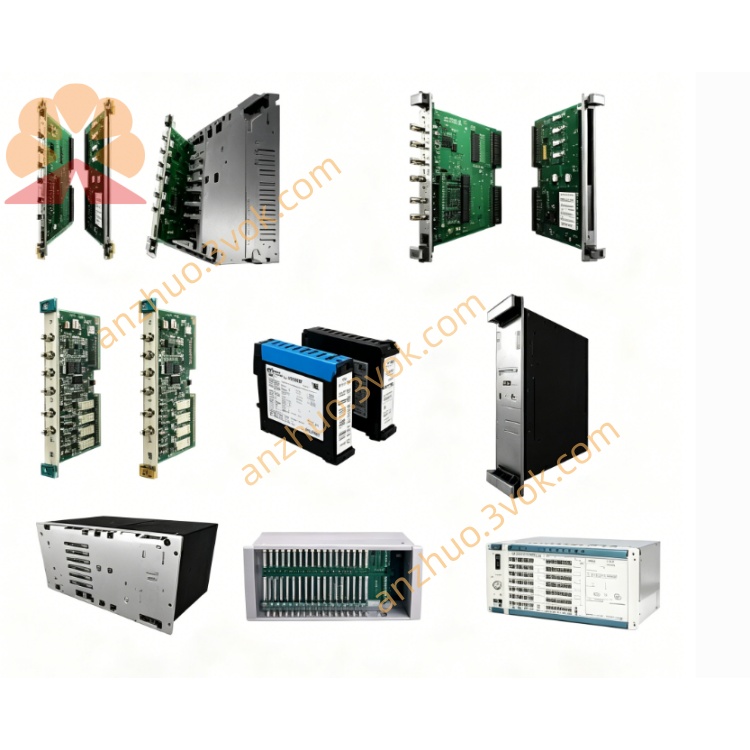
ABB 07LE90 lithium battery backup module
Description
Product Introduction
Model Explanation
07: Procontic 90 / AC31 series platform identifier
LE: Lithium Energy, denoting a lithium‑based backup battery module
90: High‑capacity, long‑life backup grade for AC31/CS31 controllers
Technical Parameters
Part Number: GJR5250700R0001
Battery Chemistry: Primary lithium‑thionyl chloride (Li‑SOCl₂), non‑rechargeable
Rated Voltage: 3.6 VDC
Capacity: 2.6 Ah (2600 mAh)
Standby Life: 10 years at 25°C (ambient)
Operating Temperature: -20°C to +60°C
Storage Temperature: -40°C to +85°C
Protection Class: IP20
Dimensions: 120 × 60 × 30 mm
Weight: ≈350 g
Certifications: CE, UL, CSA, RoHS
Compatibility: 07KT98, 07KT98B, 07KT98WT98, and other AC31/CS31 CPUs
Interface and Communication Configuration
Connector: Multi‑pin industrial connector for direct plug‑and‑play with AC31 CPU backup port
Signal Lines: Power, ground, and battery status monitoring (low‑battery alert)
Redundancy Support: Dual‑module redundant operation for high‑availability systems
Hot‑Swap: Live replacement without system shutdown
Mounting: DIN rail, vertical or horizontal orientation
LED Indicator: Optional external low‑battery alarm LED (controller‑side)
Core Functions
Data Retention: Preserves critical control data, recipes, and parameters during power failures for up to 10 years.
Power Backup: Supplies stable 3.6 VDC to the controller’s memory and RTC during mains interruptions.
Low‑Battery Monitoring: Provides status signals to the CPU for early warning and scheduled replacement.
Hot‑Swap Capability: Enables battery replacement without stopping the control process.
Redundant Operation: Supports dual‑battery setup to eliminate single points of failure.
Long‑Term Reliability: High‑energy‑density lithium chemistry ensures long service life and wide temperature tolerance.
Application Scenarios
Process Control Plants: Chemical, water/wastewater, food/beverage, and pharmaceutical facilities requiring uninterrupted data integrity.
Manufacturing Lines: Packaging, assembly, and material handling systems with critical recipe and parameter storage needs.
Industrial IoT & Remote Monitoring: Unattended sites where power reliability is low and data loss must be avoided.
Legacy AC31 System Upgrades: Replacing aged backup batteries in existing Procontic CS31/AC31 installations.
High‑Availability Systems: Redundant control setups for maximum uptime and data security.
Usage and Maintenance Instructions
Installation: Mount on DIN rail, connect to the CPU’s dedicated backup port; allow 10 mm clearance for ventilation.
Wiring: Use the supplied cable; avoid bending or damaging the connector pins.
Commissioning: Verify battery status via controller software; confirm low‑battery alarm functionality.
Routine Maintenance: Inspect annually; replace every 8–10 years or when low‑battery alert activates.
Replacement: Perform hot‑swap if supported; disconnect old module, install new one, and verify data retention.
Environment: Operate within -20°C to +60°C; avoid direct sunlight, moisture, and corrosive gases.
Disposal: Dispose of used batteries per local regulations for hazardous waste; do not short‑circuit or incinerate.
Get a Quote