
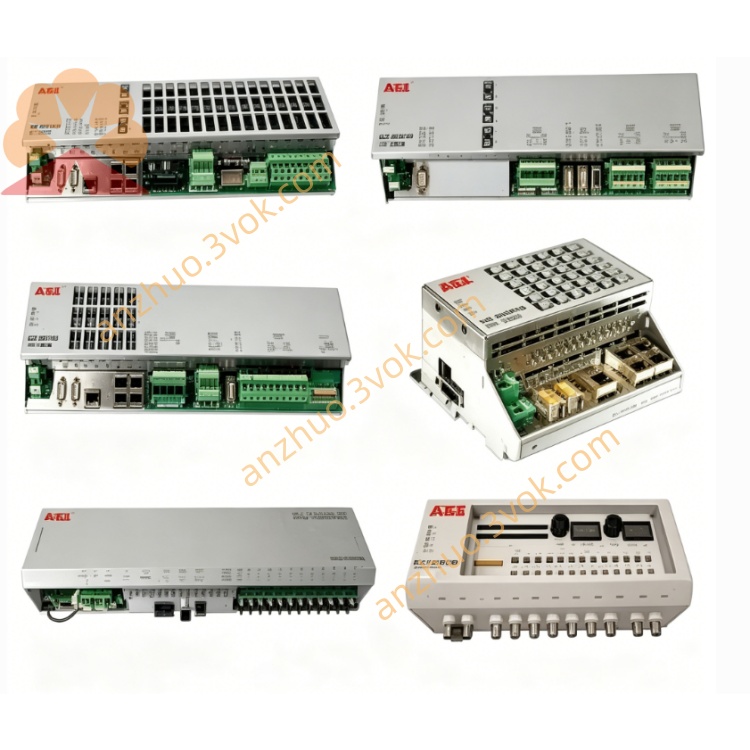
ABB 07KT98WT98(GJR5253100R4278)igh‑performance Ethernet‑integrated basic controller (CPU)
ABB 07KT98WT98 is a high-capacity controller belonging to the Advant Controller 31 and Procontic CS31 series. It is an Ethernet integrated variant developed on the basis of standard 07KT98 controller. This unit is equipped with built-in 10/100 Mbps Ethernet interface, while retaining the large memory capacity and high-density mixed digital and analog I/O of the original platform. It supports multiple industrial communication protocols, delivering stable and efficient real-time control performance. It is specially designed for industrial automation systems that require native Ethernet networking, remote data transmission and on-site process control.
Description
Product Introduction
ABB 07KT98WT98 is a high-capacity controller belonging to the Advant Controller 31 and Procontic CS31 series. It is an Ethernet integrated variant developed on the basis of standard 07KT98 controller. This unit is equipped with built-in 10/100 Mbps Ethernet interface, while retaining the large memory capacity and high-density mixed digital and analog I/O of the original platform. It supports multiple industrial communication protocols, delivering stable and efficient real-time control performance. It is specially designed for industrial automation systems that require native Ethernet networking, remote data transmission and on-site process control.
Model Explanation
07 represents the product series of Procontic 90 and Advant Controller 31. KT stands for controller with DC transistor outputs. 98 refers to the high-capacity controller model with maximum memory and I/O resources. WT98 indicates the variant with integrated 10/100 Mbps Ethernet TCP/IP communication port.
Technical Parameters
The part number is GJR5253100R4278. It adopts 32-bit RISC processor. The rated power supply is 24 VDC with an operating range from 18 VDC to 30 VDC, and the maximum power consumption is 22 W. Reverse polarity protection is designed for power terminals. The internal memory includes 1 MB Flash for program storage, 1 MB RAM for data storage and 256 kB non-volatile RETAIN memory for storing production recipes and key operating data. The onboard digital I/O consists of 24 channels of 24 VDC digital inputs with sink and source modes and electrical isolation, and 16 channels of 24 VDC transistor outputs with 0.5 A per channel, electrical isolation and short circuit protection. The onboard analog I/O includes 8 channels of 12-bit analog inputs which support 0-10 V, ±10 V, 4-20 mA and PT100 two-wire and three-wire signals, and 4 channels of 12-bit analog outputs supporting 0-10 V and 4-20 mA signals. It integrates two 50 kHz hardware high-speed counters with seven configurable working modes. The operating temperature ranges from 0 degrees Celsius to 55 degrees Celsius, and the storage temperature ranges from minus 40 degrees Celsius to 85 degrees Celsius. The protection class is IP20. The overall dimensions are 180 mm in width, 100 mm in height and 95 mm in depth, and the weight is approximately 1.2 kg. The product has passed CE, UL, CSA and RoHS certifications.
Interface and Communication Configuration
The built-in Ethernet port adopts RJ45 interface with 10/100 Mbps transmission rate and TCP/IP protocol, supporting Modbus TCP/IP and HTTP protocols as well as remote programming and data access. COM1 is RS-232 interface, which is used for program downloading, parameter configuration and ASCII communication with human-machine interface. COM2 is RS-485 interface, supporting Modbus RTU master and slave modes and CS31 system bus communication. The CS31 system bus can connect up to 31 remote I/O modules for system expansion. An extended port is reserved for connecting Profibus-DP and other additional communication modules. The module is fitted with LED indicators including PWR, RUN, ERR, ETH LINK/ACT and TX/RX. The supporting programming software is Control Builder AC31 version 4.0 and above. A real-time clock is integrated to realize event timestamping and data logging. It is compatible with SmartMedia card to complete program and data backup and restoration.
Core Functions
Native Ethernet communication realizes direct connection with factory network, SCADA system and human-machine interface without additional external communication modules. Large-capacity memory can run complex control algorithms, PID regulation programs and store multiple production recipes stably. High-density mixed digital and analog I/O meets the comprehensive control requirements of various industrial parameters such as switch signals, temperature, pressure and flow. Dual 50 kHz high-speed counters are applicable to signal acquisition and processing of high-speed encoders and flow meters. Multiple communication protocols including Ethernet TCP/IP, Modbus RTU and CS31 bus enable seamless connection with various field devices and upper monitoring systems. The non-volatile RETAIN memory effectively protects important data from loss during power failure and power cycle. The SmartMedia card provides convenient and reliable ways for daily program backup, recovery and equipment maintenance.
Application Scenarios
It is widely applied to chemical industry, water and wastewater treatment, food and beverage and pharmaceutical production lines which rely on Ethernet for process control and data transmission. It is suitable for intelligent manufacturing workshops, packaging machinery and assembly equipment that need to connect Ethernet HMI and SCADA monitoring system. It can be used in industrial Internet of Things projects for remote equipment monitoring, data collection and predictive maintenance. It serves medium and large distributed control systems to realize networking management of multiple on-site devices through Ethernet and CS31 bus. It is also an ideal choice for upgrading old AC31 series control systems to add native Ethernet function.
Usage and Maintenance Instructions
Install the module on standard DIN rail and keep vertical placement. Reserve enough space around the device to ensure good ventilation and heat dissipation. Use shielded cables for Ethernet and analog signal wiring, and separate power cables from signal cables to reduce electromagnetic interference. Fasten wiring terminals with torque between 0.5 Nm and 0.8 Nm. After power on, check whether the 24 VDC power supply is normal, and confirm the status of power indicator and Ethernet link indicator. Complete program editing, downloading and debugging via Control Builder AC31 software, and back up programs and data to SmartMedia card regularly. Conduct regular routine maintenance, check the tightness of wiring terminals every quarter, and clean the dust inside the equipment and ventilation slots every six months. Observe LED indicators in daily operation, and troubleshoot in time if the fault indicator flashes. When communication abnormality occurs, check cable connection, network address and communication parameter settings. When I/O faults appear, verify the wiring and signal types of sensors and actuators. Keep the operating environment dry and clean, avoid direct contact with moisture and corrosive gas, and operate within the rated temperature and humidity range. Cut off the power supply before replacing the module, use the same model for replacement, and reconfigure Ethernet and related communication parameters to match the whole system.
Get a Quote