
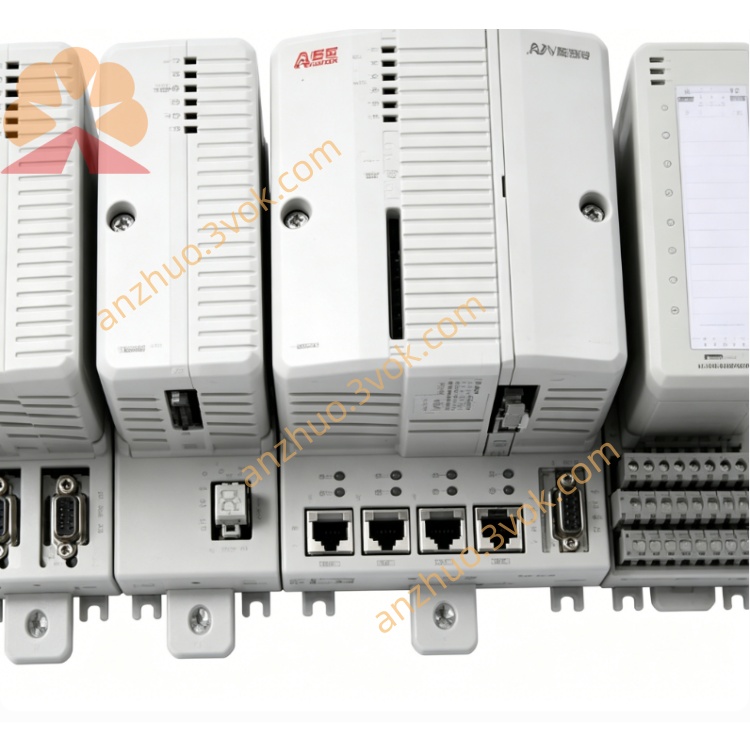
ABB 07KA90 (AC31 Series) The master-slave communication processor of the AC31/Advant Controller 31 system
Description
Product Introduction
Model Explanation
07: Denotes ABB AC31/Procontic 90 series platform
KA: Stands for Communication Adapter (serial interface function)
9: Indicates hardware revision and functional version
Alternative Part Number: Often cross-referenced with GJR5251000R0303 (standard 07KP90 part number)
Technical Parameters
Power Supply: 24 VDC ±10%, typical 400 mA
Power Consumption: ≤10 W
Communication Standard: RS‑485 (RCOM protocol)
Isolation: 500 VAC between communication and backplane
Operating Temperature: -20 °C to +60 °C
Storage Temperature: -25 °C to +70 °C
Protection Class: IP20 (for rack mounting)
Dimensions (W×H×D): 51 × 254 × 152 mm
Weight: Approximately 0.4 kg
Certifications: CE, UL, RoHS compliant
Interface and Communication Configuration
Physical Interfaces: Two DB9 connectors (RCOM1, RCOM2) for RS‑485 communication
Protocol: RCOM (ABB proprietary serial protocol), supporting master/slave operation
Network Capacity: Supports up to 32 slave devices in a single network
Termination: Built‑in termination resistor switch for bus matching
Signals: 24 VDC power terminals, RUN/COMM/ERR LED indicators
Wiring: Shielded twisted pair cable recommended for RS‑485 bus connections
Core Functions
RCOM Master/Slave Communication: Enables data exchange between AC31 PLCs, Procontic T200 systems, and MasterPiece 200 controllers.
Distributed I/O Networking: Connects remote I/O modules and field devices to the main AC31 control system.
Protocol Conversion: Bridges legacy ABB systems with modern automation architectures for seamless data integration.
High Noise Immunity: Designed for industrial EMI environments with electrical isolation and surge protection.
System Expansion: Extends the communication capability of AC31 CPU units without additional hardware.
Application Scenarios
AC31 System Expansion: Adding serial communication ports to AC31 PLCs for connecting third‑party devices.
Production Line Networking: Interconnecting Procontic T200 and AC31 controllers in manufacturing lines.
Legacy System Upgrade: Facilitating migration from MasterPiece 200 to AC500 systems while maintaining old communication links.
Distributed Control Systems: Deploying in process automation for monitoring and controlling field sensors and actuators.
Industrial Data Acquisition: Collecting data from remote I/O stations and transmitting to the central AC31 controller.
Usage and Maintenance Instructions
Installation: Mount on a 35 mm DIN rail or insert into an AC31 standard rack slot; ensure proper grounding.
Wiring: Use shielded twisted pair cables for RCOM communication; separate from high‑power cables to avoid interference.
Configuration: Set master/slave mode and node address via DIP switches or programming software; enable termination resistors at bus ends.
LED Indicator Check: RUN (green) for normal operation, COMM (yellow) for data transmission, ERR (red) for faults.
Maintenance: Inspect terminals annually for tightness; check cable integrity and shielding; keep the module free from dust and moisture.
Troubleshooting: Verify power supply and wiring; check network termination; reconfigure communication parameters if errors occur.
Get a Quote